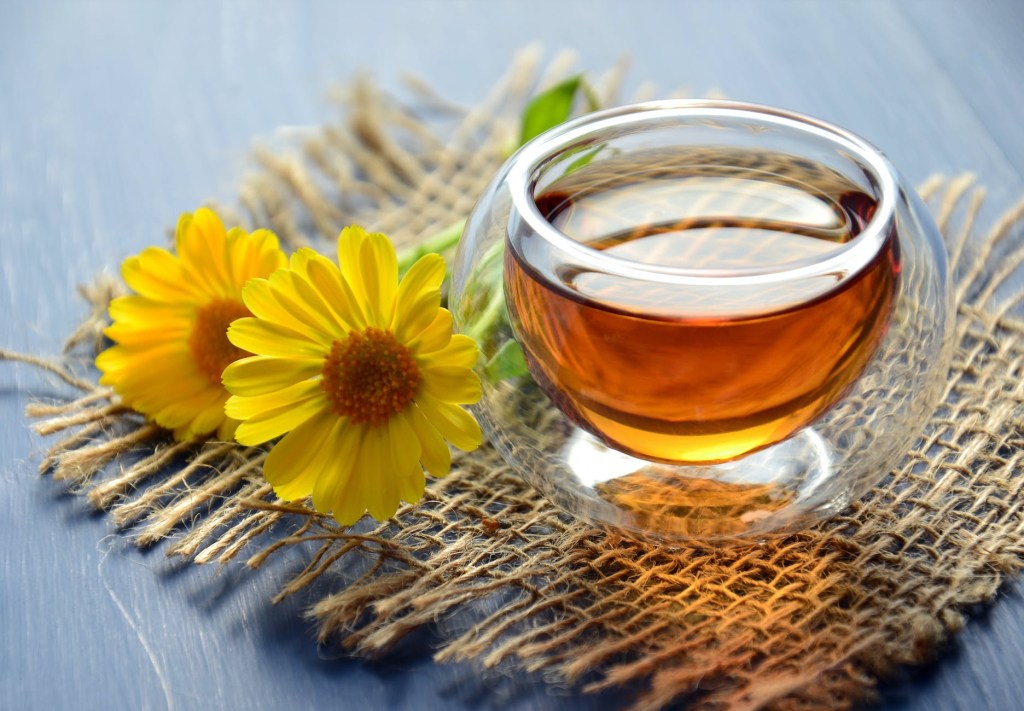
Herbal tea is a delicious and healthy beverage that can be enjoyed at any time of day. It’s easy to make, and you can create a variety of flavors by combining different herbs and spices. In this blog post, we’ll explore the steps to make a basic herbal tea and share some tips for creating your own unique blends.
Step 1: Choose Your Herbs
The first step in making herbal tea is to choose the herbs you want to use. You can use fresh or dried herbs, depending on what you have on hand. Some popular herbs for tea include:
- Chamomile: This herb is known for its calming properties and is often used to promote relaxation and sleep.
- Peppermint: Peppermint is a refreshing herb that can aid digestion and soothe an upset stomach.
- Ginger: Ginger is a warming herb that can help to reduce inflammation and promote healthy digestion.
- Lemon Balm: Lemon balm has a bright, citrusy flavor and is believed to have calming properties.
Step 2: Prepare Your Herbs
Once you have chosen your herbs, it’s time to prepare them for steeping. If you’re using fresh herbs, rinse them under cold water and pat them dry. If you’re using dried herbs, measure out the desired amount and crush them slightly to release their oils and flavors.
Step 3: Steep Your Tea
To steep your tea, bring water to a boil and pour it over your herbs. Use about one teaspoon of herbs per cup of water. Cover your tea and let it steep for 5-10 minutes, depending on the herbs you’re using and the strength of tea you prefer. Strain the tea into a mug or teapot and enjoy!
Tips for Creating Your Own Herbal Tea Blends
Once you’ve mastered the basics of making herbal tea, you can start to get creative with your own blends. Here are a few tips for creating your own unique flavors:
- Mix and match: Experiment with different combinations of herbs and spices to find your perfect blend. For example, try combining chamomile and lavender for a relaxing tea, or ginger and lemon for a zesty, warming tea.
- Add sweetness: You can add a touch of sweetness to your tea by adding honey or a natural sweetener like stevia.
- Play with temperatures: Different herbs steep best at different temperatures. For example, delicate herbs like chamomile and lemon balm should be steeped in water that’s just below boiling, while heartier herbs like ginger and peppermint can handle boiling water.
- Try cold brewing: For a refreshing iced tea, try cold brewing your herbal tea. Simply combine your herbs and water in a jar and let it steep in the fridge overnight. Strain and enjoy over ice the next day.
In conclusion, making herbal tea is a simple and rewarding process that can help to promote relaxation, aid digestion, and boost your overall health and wellbeing. With a little creativity, you can create your own unique blends and enjoy the many flavors and benefits of herbal tea.
 Naked Herbalist