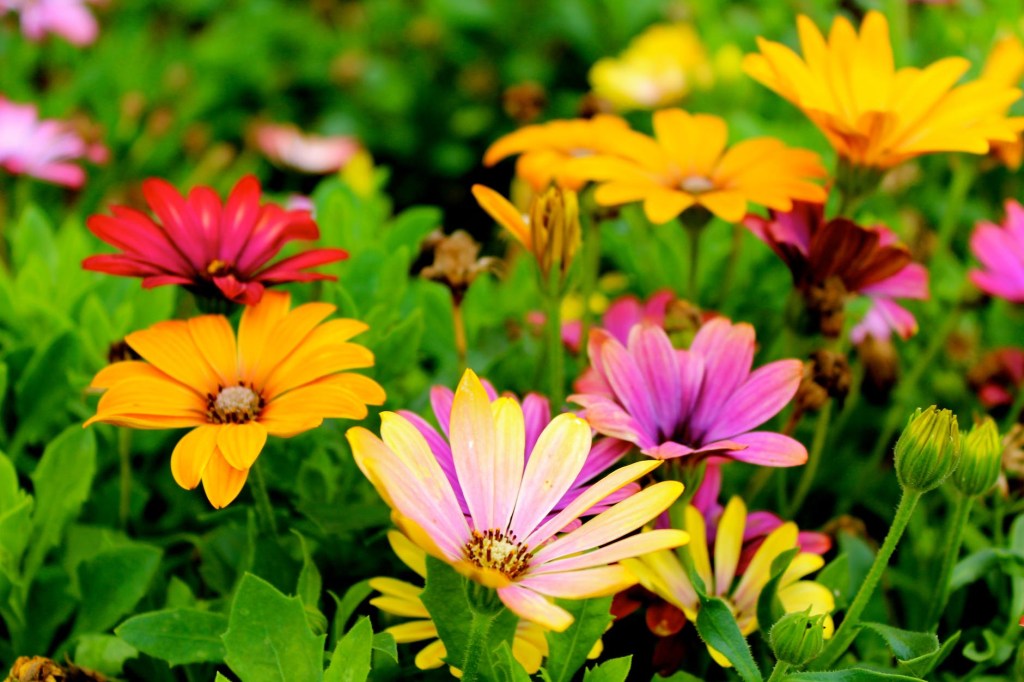
Creating a medicine garden can be a great way to cultivate your own natural remedies and support your health and wellbeing. A medicine garden is a collection of plants that are grown and harvested specifically for their medicinal properties. In this blog post, we will explore how to create a medicine garden, which plants to include, their benefits, and how to prepare them.
Choosing the Right Plants
The first step in creating a medicine garden is choosing the right plants. There are many medicinal plants to choose from, but some of the most popular and easy-to-grow include:
Echinacea
Echinacea is known for its immune-boosting properties and can be used to treat colds, flu, and other respiratory infections. You can make an infusion with the dried leaves and flowers, or use it as a tincture.
Chamomile
Chamomile is a calming herb that can help to reduce anxiety and promote relaxation. It can also be used to relieve digestive issues like indigestion and gas. You can make a tea with the dried flowers, or use it as a tincture.
Lavender
Lavender is a calming herb that can be used to promote relaxation and sleep. It is also a natural remedy for headaches and migraines. You can make a tea with the dried flowers, or use it as an essential oil in a diffuser or for topical application.
Calendula
Calendula is a healing herb that can be used to treat wounds, burns, and skin infections. It is also a natural remedy for digestive issues and menstrual cramps. You can make a salve with the dried flowers, or use it as a tincture.
Lemon Balm
Lemon balm is a calming herb that can be used to promote relaxation and reduce anxiety. It is also a natural remedy for digestive issues such as indigestion and gas. You can make a tea with the dried leaves, or use it as a tincture.
Peppermint
Peppermint is a natural remedy for digestive issues, including nausea, indigestion, and irritable bowel syndrome (IBS). You can make a tea with the dried leaves, or use it as an essential oil for topical application or aromatherapy.
Sage
Sage has anti-inflammatory and antibacterial properties, and can be used to treat sore throats and respiratory infections. It can also be used to relieve menopausal symptoms. You can make a tea with the dried leaves, or use it as an essential oil for topical application or aromatherapy.
St. John’s Wort
St. John’s Wort is a natural antidepressant that can help to reduce symptoms of mild to moderate depression. It can also be used to relieve nerve pain and other nerve-related conditions. You can make a tea with the dried flowers, or use it as a tincture.
Yarrow
Yarrow is a natural remedy for colds, flu, and other respiratory infections. It can also be used to relieve menstrual cramps and other menstrual-related issues. You can make a tea with the dried leaves and flowers, or use it as a tincture.
Aloe Vera
Aloe Vera is a healing plant that can be used to treat burns, wounds, and other skin irritations. It can also be used to relieve constipation and other digestive issues. You can use the gel from the plant directly on the affected area or drink the juice extracted from the plant.
Overall, a medicine garden can be a great way to cultivate natural remedies for common ailments and support your overall health and wellbeing. Before using any of these herbs or plants, be sure to consult with a healthcare professional to determine the best way to use them for your specific needs
Preparing the Plants
Once you have chosen the right plants, it is important to know how to prepare them. There are many ways to prepare medicinal plants, including:
Infusions
Infusions are made by steeping fresh or dried herbs in hot water. This method is often used for herbs that are taken internally, such as chamomile and lavender.
Decoctions
Decoctions are made by simmering fresh or dried herbs in water for a longer period of time. This method is often used for herbs that are taken internally, such as echinacea and calendula.
Poultices
Poultices are made by crushing fresh or dried herbs and applying them directly to the skin. This method is often used for herbs that are used topically, such as calendula.
Tinctures
Tinctures are made by steeping fresh or dried herbs in alcohol or vinegar. This method is often used for herbs that are taken internally, such as lemon balm.
Incorporating Your Medicine Garden into Your Life
Once you have chosen the right plants and know how to prepare them, it is important to incorporate your medicine garden into your life.
There are many ways to do this, including:
Teas
Teas are a great way to incorporate medicinal plants into your daily routine. Simply steep the herbs in hot water for a few minutes and enjoy.
Salves
Salves are a topical application that can be made by infusing herbs in oil and then mixing with beeswax to create a solid balm. These can be used to treat skin irritations, wounds, and more.
Tinctures
Tinctures are a concentrated liquid extract that can be taken orally or added to water. They are a great way to get the benefits of medicinal herbs in a small amount.
Infused Oils
Infused oils are created by infusing fresh or dried herbs in a carrier oil such as olive or coconut oil. These oils can be used topically or added to baths for a relaxing experience.
Tips for Creating Your Medicine Garden
When creating your medicine garden, there are a few tips to keep in mind to ensure its success:
Choose the right location
Medicinal plants require specific growing conditions, so it’s important to choose a location that receives the right amount of sunlight, water, and soil type.
Plan your layout
Plan out the layout of your garden based on the size and growth habits of the plants you’ve chosen. This will help ensure that each plant has enough space to thrive.
Use organic methods
Avoid using chemical fertilizers and pesticides in your medicine garden, as they can harm both the plants and the environment. Instead, use organic methods such as compost and natural pest control methods.
Harvest at the right time
Each plant has a specific time when its medicinal properties are at their peak. Research the best time to harvest each plant so that you can get the most out of your garden.
In conclusion
Creating a medicine garden can be a fulfilling and rewarding experience. By choosing the right plants, knowing how to prepare them, and incorporating them into your daily routine, you can support your health and wellbeing in a natural and sustainable way. With a little bit of planning and care, your medicine garden can provide you with a wealth of natural remedies and a deeper connection to nature.
 Naked Herbalist